Pulsamento: A Complete Guide to Understanding the Rhythmic Pulsing Sensation in the Body
Our bodies constantly send signals about what is happening inside us. Some signals are easy to understand, such as pain after an injury or muscle soreness after exercise. Others are less familiar and can leave people wondering whether they should be concerned. One such sensation is pulsamento.
Pulsamento refers to a rhythmic, throbbing, or pulsing feeling that often matches the rhythm of your heartbeat. This sensation can occur in different parts of the body, including the head, neck, arms, legs, abdomen, hands, or feet. Sometimes it is completely normal and temporary, while in other situations it may indicate an underlying health condition that deserves medical attention.
Many people experience pulsamento at least once in their lives. It may appear after physical activity, during periods of stress, or when blood flow increases to a certain area. In most cases, the sensation is harmless. However, persistent, painful, or unusual pulsamento should never be ignored because it could be related to circulation, muscle activity, nerve function, or cardiovascular health.
This comprehensive guide explains everything you need to know about pulsamento. You will learn what causes it, where it commonly occurs, how it differs from other body sensations, when it is considered normal, when it may require medical evaluation, and practical ways to manage or prevent it. The goal is to provide easy-to-understand information based on current medical knowledge while helping readers make informed decisions about their health.
What Is Pulsamento?
Pulsamento is a term used to describe a rhythmic throbbing or pulsing sensation that usually follows the natural beat of the heart. The feeling may be mild or noticeable and can last for a few seconds, several minutes, or occasionally longer.
Unlike ordinary muscle movement or random twitching, pulsamento usually feels regular and repetitive. It often reflects the movement of blood through arteries close to the skin or increased awareness of blood circulation in a particular area.
Most episodes of pulsamento are temporary and harmless. However, when accompanied by pain, swelling, dizziness, numbness, weakness, or other unusual symptoms, it should be evaluated by a healthcare professional.
Also read:Geekzilla Tio Geek: The Complete Guide to the Ultimate Technology and Geek Culture Platform
Understanding the Meaning of Pulsamento
The word pulsamento is associated with the idea of pulsing or rhythmic movement. In a medical context, it describes the sensation of feeling the body’s natural pulse more strongly than usual.
Every heartbeat pushes blood through arteries throughout the body. Normally, people are not aware of this process unless they intentionally check their pulse. Under certain circumstances, however, the pulse becomes more noticeable, creating the feeling commonly described as pulsamento.
The sensation itself is not a disease. Instead, it is a symptom that may have many different causes, ranging from completely normal body functions to medical conditions requiring evaluation.
How the Body Creates a Pulse
To better understand pulsamento, it helps to know how circulation works.
The heart acts as a powerful pump that sends oxygen-rich blood throughout the body. Every heartbeat creates pressure inside the arteries.
As blood travels through these blood vessels, small expansions occur within the artery walls. These rhythmic expansions are what healthcare providers feel when checking a person’s pulse.
Normally this process happens without noticeable awareness.
However, certain factors can make these pulses easier to feel.
Examples include:
- Increased blood flow
- Physical exercise
- Anxiety
- Fever
- Thin body tissue
- Temporary inflammation
- Increased heart rate
These situations may produce the sensation known as pulsamento.
Common Characteristics of Pulsamento
Although every individual experiences it differently, pulsamento often shares several characteristics.
Common descriptions include:
- Rhythmic throbbing
- Gentle beating
- Repeated pulsing
- Heartbeat-like movement
- Regular vibration
- Noticeable blood flow
The sensation usually follows a predictable rhythm rather than occurring randomly.
Where Can Pulsamento Occur?
Pulsamento may occur almost anywhere in the body where blood vessels are located.
Some locations are more common than others.
Pulsamento in the Head
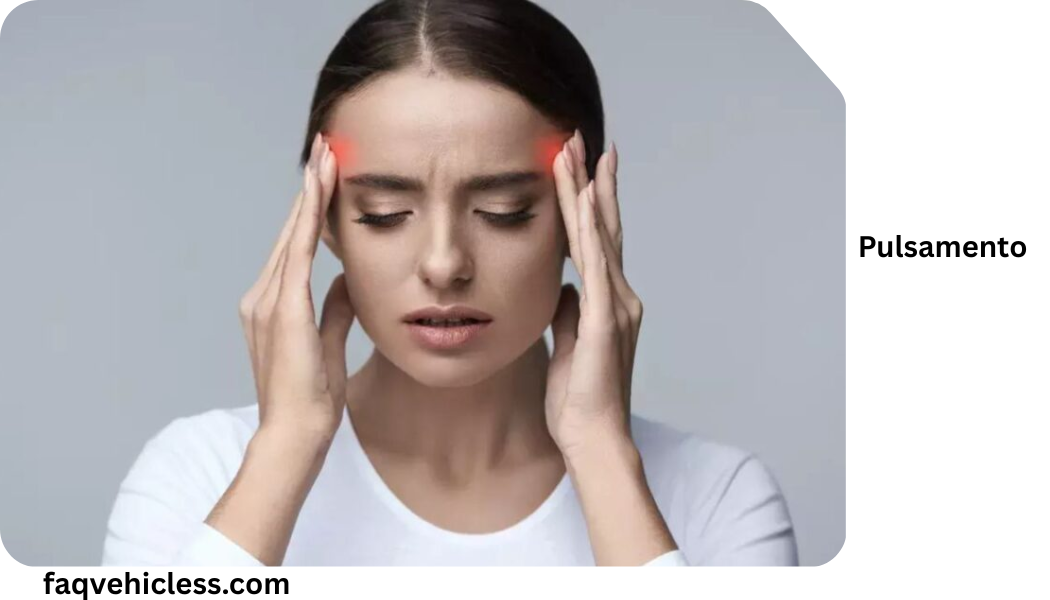
People sometimes notice rhythmic pulsing inside the scalp or temples.
Possible causes include:
- Increased blood flow
- Physical exertion
- Stress
- Migraine headaches
- Temporary vascular changes
Most episodes are harmless, but severe headaches or neurological symptoms require immediate medical attention.
Pulsamento in the Neck
The carotid arteries carry blood from the heart to the brain.
Because these arteries are close to the skin, some people naturally notice pulsamento in the neck, especially after exercise.
Pulsamento in the Chest
Occasionally, people become aware of their heartbeat inside the chest.
Possible explanations include:
- Exercise
- Emotional stress
- Caffeine
- Temporary anxiety
- Increased heart rate
Persistent chest discomfort should always receive medical evaluation.
Pulsamento in the Arms
The arms contain several major arteries.
After heavy lifting or physical activity, increased circulation may produce temporary pulsamento.
Pulsamento in the Hands
Hands contain numerous small blood vessels.
Cold temperatures followed by warming, exercise, or emotional stress can temporarily increase awareness of blood circulation.
Pulsamento in the Abdomen
Some people notice rhythmic movement within the abdomen.
In thinner individuals, the abdominal aorta may become easier to feel.
However, persistent abdominal pulsation, especially when accompanied by pain, should be evaluated promptly by a physician.
Pulsamento in the Legs
Exercise commonly increases blood flow to the leg muscles.
This temporary increase may create pulsing sensations after walking, running, or cycling.
Pulsamento in the Feet
The feet contain arteries close to the skin.
People sometimes notice pulsamento while resting after physical activity.
Common Causes of Pulsamento
Many different factors contribute to pulsamento.
Some are completely harmless.
Others require medical attention.
Physical Exercise
Exercise increases heart rate.
As blood flow rises, arteries expand more noticeably.
This temporary increase often produces pulsamento in several parts of the body.
Stress and Anxiety
Emotional stress activates the body’s natural fight-or-flight response.
This causes:
- Faster heartbeat
- Increased blood pressure
- Stronger circulation
These changes may temporarily increase awareness of normal body pulses.
Fever
During fever, the heart works harder to regulate body temperature.
This increased circulation sometimes creates noticeable pulsamento.
High Blood Pressure
Elevated blood pressure places additional force on artery walls.
Some individuals become more aware of their pulse during periods of uncontrolled hypertension.
Muscle Recovery
After intense exercise, muscles require additional oxygen.
Improved circulation during recovery may create temporary throbbing sensations.
Hormonal Changes
Pregnancy, hormonal fluctuations, and certain medications may affect blood circulation, occasionally increasing awareness of pulsamento.
Is Pulsamento Always Normal?
Not necessarily.
Many episodes are completely harmless.
However, the surrounding symptoms help determine whether medical evaluation is needed.
Normal pulsamento often:
- Appears after exercise
- Lasts only briefly
- Causes little discomfort
- Improves with rest
- Occurs occasionally
Abnormal pulsamento may:
- Become persistent
- Cause severe pain
- Occur with swelling
- Produce dizziness
- Affect movement
- Appear without explanation
These situations deserve medical attention.
Risk Factors That May Increase Pulsamento
Certain lifestyle and health factors may increase the likelihood of experiencing pulsamento.
Examples include:
- High blood pressure
- Smoking
- Excess caffeine
- Chronic stress
- Sleep deprivation
- Intense physical activity
- Obesity
- Certain medications
- Cardiovascular disease
Reducing these risk factors often improves overall circulation and cardiovascular health.
Pulsamento Versus Muscle Twitching
Many people confuse pulsamento with muscle twitching.
The two sensations are different.
Pulsamento usually:
- Matches the heartbeat
- Feels rhythmic
- Involves blood circulation
- Occurs consistently
Muscle twitching usually:
- Happens randomly
- Does not follow the heartbeat
- Results from muscle contractions
- Often stops quickly
Understanding this difference helps individuals describe symptoms more accurately to healthcare providers.
Pulsamento and Blood Circulation
Healthy circulation plays a major role in pulsamento.
The cardiovascular system constantly adjusts blood flow based on activity level.
During exercise:
Heart rate increases.
Blood vessels widen.
Circulation improves.
Muscles receive more oxygen.
These natural changes explain why pulsamento commonly occurs after physical activity.
Why Some People Notice Pulsamento More Than Others
Individual differences affect body awareness.
Factors include:
- Body composition
- Skin thickness
- Blood vessel location
- Heart rate
- Fitness level
- Stress sensitivity
Some people naturally notice normal body sensations more easily than others.
This increased awareness does not necessarily indicate illness.
Medical Conditions Sometimes Associated With Pulsamento
Although pulsamento itself is a symptom rather than a diagnosis, healthcare providers may evaluate several underlying conditions if symptoms persist.
Possible medical causes include:
- High blood pressure
- Certain vascular conditions
- Migraine disorders
- Thyroid disorders
- Anxiety disorders
- Heart rhythm abnormalities
- Inflammation
- Circulatory disorders
Only qualified healthcare professionals can determine the actual cause through appropriate medical evaluation.
Original Medical Perspective: Why Pulsamento Should Be Viewed in Context
One of the biggest misconceptions about pulsamento is assuming that every rhythmic sensation indicates a serious disease. In reality, the body naturally produces rhythmic blood flow with every heartbeat, and under certain circumstances people simply become more aware of it.
The key factor is context rather than the sensation itself. A healthy person may notice pulsamento after running, lifting weights, drinking coffee, or experiencing emotional excitement. In these situations, the cardiovascular system is responding exactly as expected.
However, persistent pulsamento that appears without an obvious trigger, becomes increasingly noticeable, or occurs alongside symptoms such as severe pain, fainting, chest discomfort, vision changes, or weakness deserves prompt medical evaluation. These accompanying symptoms provide much more useful diagnostic information than pulsamento alone.
Another important consideration is lifestyle. Poor sleep, chronic stress, dehydration, smoking, and excessive stimulant use may all increase awareness of normal body pulses. Addressing these everyday factors often reduces symptoms without requiring medical treatment.
Ultimately, pulsamento should not automatically create fear. Instead, it should encourage thoughtful observation, healthy lifestyle habits, and appropriate medical care whenever warning signs appear.
How Doctors Diagnose Pulsamento
When pulsamento becomes persistent, painful, or is accompanied by other symptoms, a healthcare provider may recommend a medical evaluation. The purpose is not simply to identify the pulsing sensation itself but to determine whether an underlying condition is responsible.
Diagnosis usually begins with a discussion about your symptoms.
A healthcare provider may ask:
- When did the pulsamento begin?
- Which part of the body is affected?
- Is the sensation constant or occasional?
- Does it occur after exercise or while resting?
- Is there any pain or swelling?
- Have you noticed dizziness, headaches, or numbness?
These questions help narrow down possible causes.
Physical Examination
A physical examination is often the first step.
During the examination, a healthcare provider may:
- Measure blood pressure
- Check heart rate
- Listen to the heart
- Examine blood circulation
- Evaluate pulses in different arteries
- Check for swelling or tenderness
This information provides important clues before additional testing is considered.
Medical Tests That May Be Recommended
Not everyone with pulsamento needs medical testing. However, if symptoms suggest an underlying problem, doctors may recommend one or more diagnostic procedures.
Possible tests include:
- Blood pressure monitoring
- Blood tests
- Electrocardiogram (ECG)
- Echocardiogram
- Ultrasound of blood vessels
- CT scan
- MRI scan
- Holter monitor for heart rhythm
- Doppler ultrasound
The choice of tests depends on the person’s symptoms, medical history, and physical examination.
Treatment for Pulsamento
Treatment depends entirely on the underlying cause.
Since pulsamento is a symptom rather than a disease, healthcare providers focus on identifying and managing the condition responsible for the sensation.
When No Treatment Is Needed
Many cases require no medical treatment.
Temporary pulsamento caused by:
- Exercise
- Emotional excitement
- Stress
- Mild dehydration
- Temporary increases in heart rate
often disappears naturally.
Lifestyle-Based Treatment
Healthy lifestyle habits may reduce frequent episodes of pulsamento.
Helpful changes include:
- Staying hydrated
- Eating a balanced diet
- Getting enough sleep
- Managing stress
- Exercising regularly
- Avoiding excessive caffeine
- Limiting nicotine use
- Maintaining a healthy weight
These habits support healthy blood circulation and cardiovascular function.
Treating Underlying Conditions
If pulsamento is related to another medical issue, treatment focuses on that condition.
Examples may include:
- Managing high blood pressure
- Treating thyroid disorders
- Addressing anxiety
- Managing heart rhythm abnormalities
- Treating circulatory conditions
Only qualified healthcare professionals can recommend the appropriate treatment plan.
Home Remedies That May Help
While home remedies cannot treat serious medical conditions, they may help reduce temporary pulsamento caused by everyday factors.
Stay Well Hydrated
Dehydration affects circulation and may increase awareness of body pulses.
Drinking enough water throughout the day supports normal blood flow.
Reduce Stress
Stress increases adrenaline, heart rate, and blood pressure.
Relaxation techniques may include:
- Deep breathing
- Meditation
- Gentle stretching
- Reading
- Listening to calming music
Improve Sleep
Poor sleep places additional stress on the cardiovascular system.
Most adults benefit from seven to nine hours of quality sleep each night.
Moderate Caffeine Intake
Large amounts of caffeine may temporarily increase heart rate.
Reducing energy drinks, coffee, and highly caffeinated beverages may decrease symptoms in sensitive individuals.
Stay Physically Active
Regular exercise improves circulation over time.
Walking, swimming, cycling, and light strength training support cardiovascular health while helping regulate blood flow.
Lifestyle Habits That Support Healthy Circulation
Healthy circulation reduces the risk of many cardiovascular problems.
Simple habits include:
- Eating fruits and vegetables daily
- Choosing whole grains
- Limiting processed foods
- Reducing excessive salt intake
- Avoiding tobacco products
- Maintaining healthy cholesterol levels
- Managing diabetes when present
- Staying physically active
Small lifestyle improvements often produce significant long-term health benefits.
When Should You Seek Medical Attention?
Most episodes of pulsamento are harmless.
However, immediate medical evaluation is recommended if the sensation occurs with:
- Chest pain
- Difficulty breathing
- Fainting
- Severe headache
- Vision changes
- Sudden weakness
- Loss of sensation
- Severe abdominal pain
- Rapid swelling
- Persistent dizziness
These symptoms could indicate a more serious condition requiring prompt medical care.
Can Pulsamento Be Prevented?
Not every episode can be prevented.
However, many lifestyle choices reduce the likelihood of frequent symptoms.
Preventive strategies include:
- Controlling blood pressure
- Managing stress
- Drinking enough water
- Exercising regularly
- Avoiding smoking
- Limiting excessive alcohol
- Getting regular medical checkups
- Following treatment plans for existing medical conditions
Good overall health often supports healthy circulation.
Common Myths About Pulsamento
Many misconceptions surround pulsamento.
Myth 1: Pulsamento Always Means Heart Disease
Fact:
Most cases are not caused by serious heart problems.
Exercise, stress, and increased circulation commonly produce temporary pulsing sensations.
Myth 2: Only Older Adults Experience Pulsamento
Fact:
People of every age may notice pulsamento.
Healthy young adults frequently experience temporary pulsing after exercise or emotional excitement.
Also read:Onnilaina: Understanding the Digital World and How Online Living Is Transforming Everyday Life
Myth 3: Pulsamento Should Always Be Ignored
Fact:
Although many cases are harmless, persistent or painful pulsamento accompanied by other symptoms deserves medical evaluation.
Myth 4: Caffeine Affects Everyone the Same Way
Fact:
Some individuals are much more sensitive to caffeine than others.
Reducing caffeine may decrease pulsamento in certain people.
The Connection Between Mental Health and Pulsamento
Mental and physical health are closely connected.
Stress and anxiety can temporarily increase:
- Heart rate
- Blood pressure
- Muscle tension
- Awareness of normal body sensations
This increased awareness sometimes makes people notice pulsamento more frequently.
Managing emotional well-being often improves physical symptoms.
Future Research on Pulsamento
Medical researchers continue studying circulation, vascular health, and cardiovascular awareness.
Future advances may improve:
- Early diagnosis
- Wearable monitoring devices
- Personalized cardiovascular care
- Blood flow imaging
- Artificial intelligence-assisted diagnosis
- Remote patient monitoring
These innovations may help healthcare providers identify circulatory problems earlier while reducing unnecessary testing.
Expert Perspective
One of the most important lessons about pulsamento is that symptoms should always be interpreted within the broader context of a person’s health.
A brief pulsing sensation after exercise differs significantly from persistent pulsamento accompanied by chest pain or neurological symptoms.
Healthcare professionals evaluate not only the sensation itself but also its location, duration, intensity, medical history, lifestyle, and associated symptoms before reaching a diagnosis.
This balanced approach helps avoid unnecessary worry while ensuring serious conditions are recognized promptly.
Original Analysis: Why Body Awareness Is Increasing
Modern technology has changed how people think about their health.
Smartwatches, fitness trackers, heart rate monitors, and mobile health apps encourage individuals to pay closer attention to their bodies than ever before.
While this increased awareness has many benefits, it also means people are more likely to notice normal body sensations that previous generations may have ignored.
For example, someone wearing a smartwatch may become aware of small changes in heart rate during exercise, emotional stress, or caffeine consumption. This increased attention can make normal pulsamento seem more noticeable.
At the same time, greater awareness should not lead to unnecessary fear. The most effective approach is to combine self-observation with reliable medical guidance. Understanding normal body responses helps people avoid anxiety while still recognizing symptoms that truly require professional evaluation.
This balanced perspective reflects modern preventive healthcare, where education empowers individuals to make informed decisions instead of reacting to every temporary sensation with concern.
Conclusion
Pulsamento is a rhythmic, heartbeat-like sensation that can occur in different parts of the body. In many cases, it is simply the result of normal blood circulation becoming more noticeable during exercise, emotional stress, increased physical activity, or temporary physiological changes. Understanding this distinction helps reduce unnecessary anxiety while encouraging healthy awareness of the body’s natural functions.
At the same time, pulsamento should never be dismissed when it is persistent, painful, or accompanied by symptoms such as chest pain, severe headache, fainting, difficulty breathing, numbness, vision changes, or sudden weakness. These warning signs require prompt medical evaluation to rule out potentially serious underlying conditions.
Maintaining healthy lifestyle habits—including regular exercise, adequate hydration, balanced nutrition, quality sleep, stress management, and routine medical checkups—supports healthy circulation and overall cardiovascular health. These habits not only reduce the likelihood of certain causes of pulsamento but also contribute to long-term well-being.
Ultimately, pulsamento is best understood as a symptom rather than a diagnosis. The sensation itself does not automatically indicate illness, and its significance depends on the surrounding circumstances, associated symptoms, and individual health history. By combining body awareness with evidence-based medical advice, individuals can respond appropriately, seek care when necessary, and make informed decisions about their health.
Frequently Asked Questions About Pulsamento
What is pulsamento?
Pulsamento is a rhythmic, throbbing, or pulsing sensation that usually matches the natural rhythm of your heartbeat. It may occur in different parts of the body and often reflects blood flowing through nearby arteries.
Is pulsamento dangerous?
Most cases are harmless and temporary. However, persistent pulsamento or pulsamento accompanied by chest pain, severe headache, dizziness, fainting, or weakness should be evaluated by a healthcare professional.
Can stress cause pulsamento?
Yes. Stress and anxiety can increase heart rate and blood pressure, making normal body pulses more noticeable.
Why do I notice pulsamento after exercise?
Exercise increases blood flow and heart rate, making arterial pulses easier to feel until the body returns to its resting state.
Can dehydration contribute to pulsamento?
Yes. Dehydration may affect circulation and increase awareness of the body’s natural pulse. Drinking enough water may help in mild cases.
Does caffeine make pulsamento worse?
For some people, large amounts of caffeine can temporarily increase heart rate and make pulsamento more noticeable.